
On Deck with Anchor Audio
Share:


Nov 18, 2026
Whether you're organizing a school assembly, hosting a business presentation, coordinating a community gathering, or planning an indoor event, having the right sound equipment can make all the difference.
But choosing a portable PA system isn't always straightforward. With different speaker sizes, output capabilities, microphone configurations, and power options available, it's important to understand what features matter most for your intended application.
A system that's perfect for a small meeting room may not provide enough coverage for a large gymnasium or multipurpose hall. Likewise, an organization that frequently moves between rooms may prioritize portability and battery life over maximum sound output.
The key is finding a portable PA system that fits your space, audience, and communication needs.
Here's what to consider when selecting the right portable sound system for indoor applications.
1. Consider the Size of Your Space and Audience
One of the first things to consider when choosing a portable PA system is where you'll be using it.
Indoor environments can vary significantly. A small conference room has very different audio requirements than a school cafeteria, church fellowship hall, or gymnasium.
Before evaluating specific systems, consider:
- Room dimensions: How large is the space where the system will be used?
- Ceiling height: Does the room have high ceilings that may affect sound reflections?
- Audience size: How many people need to hear the speaker or presentation?
- Background noise: Will there be conversations, activities, or other competing sounds?
- Room layout: Will the audience be seated close to the speaker or spread throughout a larger area?
Larger rooms and audiences generally require greater sound output and thoughtful speaker placement to help ensure everyone can hear clearly.
It's also important to remember that room size alone doesn't determine what system you need. A smaller but noisy environment may require different capabilities than a larger, quiet room.
Taking the time to evaluate the space can help narrow down your options before investing in equipment.
2. Look at Sound Output and Coverage
Not all portable PA systems deliver the same level of sound output.
When comparing systems, you'll want to understand their output specifications and how they relate to your intended application.
Maximum SPL, measured in decibels (dB), is one specification worth reviewing. It indicates the maximum sound pressure level a speaker can produce under specified test conditions.
However, higher output doesn't automatically mean better performance for every application.
Consider how far the sound needs to travel, how many people need to hear it, and whether the system will be used primarily for spoken announcements, presentations, music, or a combination of these.
For example:
- Small meeting rooms: Clear speech reinforcement may be the primary requirement.
- Classrooms and multipurpose rooms: A system should accommodate presentations, announcements, and occasional music playback.
- Cafeterias and community spaces: Background noise and larger audiences may require additional output.
- Gymnasiums and auditoriums: Larger spaces may benefit from higher-output systems and more intentional speaker placement.
For organizations with multiple applications, selecting a system that offers some additional output flexibility can help accommodate changing needs.
3. Determine Your Microphone Requirements
The microphone configuration is another important consideration, particularly for organizations that host presentations, meetings, and group activities.
Think about how many people will need to speak and how they will use the system.
Some applications may only require one microphone, while others benefit from having multiple microphone options available.
Consider the following:
Wired Microphones
Wired microphones provide a straightforward connection and can be a reliable option for stationary presentations, announcements, and meetings.
Wireless Microphones
Wireless microphones allow presenters to move freely without being restricted by a microphone cable. They're especially useful for teachers, event coordinators, trainers, and speakers who interact with an audience.
Multiple Microphone Support
If your organization regularly hosts panel discussions, group presentations, or events with multiple speakers, having the ability to connect several microphones can be particularly valuable.
For organizations that want flexibility, it's worth considering a system that accommodates different microphone configurations as needs change.
4. Evaluate Connectivity and Audio Sources
Today's presentations and events often involve more than just a microphone.
You may need to play background music, incorporate audio from a video presentation, connect a laptop, or play recorded announcements.
That's why connectivity should be part of your purchasing decision.
Look for features that support your intended applications, such as:
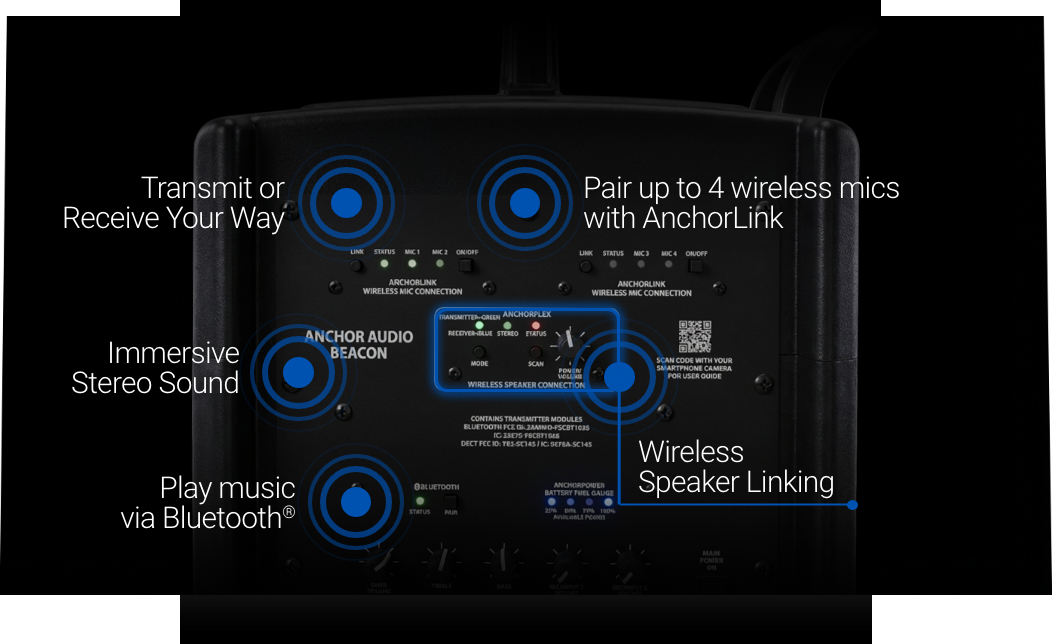
- Bluetooth connectivity: Convenient for wirelessly streaming music and other compatible audio.
- Microphone inputs: Allow presenters and speakers to connect microphones.
- Auxiliary audio connections: Provide options for connecting external audio sources.
- Wireless microphone capabilities: Reduce cable clutter and provide additional freedom for presenters.
Having multiple connectivity options makes a portable PA system more versatile and allows it to support different activities throughout the year.
5. Think About Battery Life and Power Options
Where you plan to use your portable PA system will help determine what type of power options you need.
For indoor applications, it's easy to assume that AC power will always be available. However, not every room has convenient access to electrical outlets, particularly when equipment needs to be positioned near an audience or moved between locations.
Battery-powered systems offer greater flexibility by allowing organizations to operate without being connected to an outlet.
When comparing battery-powered PA systems, consider:
- How many hours of operation are needed for a typical event?
- Will the system be used for multiple activities throughout the day?
- How long does the battery take to recharge?
- Can the system also operate using AC power?
- Will the system occasionally be used in outdoor or temporary locations?
For organizations that frequently move between spaces, a rechargeable battery-powered system can provide added convenience and flexibility.
6. Don't Overlook Portability and Ease of Setup
A portable PA system should be practical to move, store, and operate.
If your equipment will regularly travel between classrooms, conference rooms, gymnasiums, or event locations, transportation should be a major consideration.
Pay attention to:
- Overall system weight
- Built-in handles and transportation features
- Available carrying cases or accessories
- Setup and teardown requirements
- Ease of operation for staff and volunteers
It's also important to consider who will be operating the system.
Schools, businesses, churches, and community organizations may not always have dedicated AV technicians available. Straightforward controls and simple setup procedures can make equipment more accessible to the people who need it.
7. Choose a System That Can Grow With Your Needs
Your organization's audio requirements today may not be the same a year from now.
A school might begin using portable audio for smaller classroom presentations before expanding its use to assemblies and indoor athletic events. A business may initially purchase a system for employee meetings and later use it for conferences, training sessions, and off-site presentations.
Choosing a system with flexible features can help accommodate those changing requirements.
Consider whether the system supports:
- Additional microphone configurations
- Wireless microphone connectivity
- Wireless linking with compatible speakers
- Multiple audio sources
- Different operating environments
The ability to adapt to different applications can help organizations get more long-term value from their investment.
Finding the Right Portable PA System for Your Application
Once you've identified your space, audience size, and feature requirements, it's time to compare available systems.
Anchor Audio offers a variety of portable PA solutions designed for different environments and applications.
Here are a few options to consider:
Go Getter 2
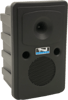
A compact option for smaller indoor applications, presentations, and announcements. With more than 11 hours of battery life and support for up to four microphones, Go Getter 2 offers flexibility for schools, organizations, and everyday communication needs.
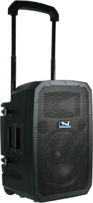
A versatile portable sound solution for presentations, meetings, and indoor events. Its lightweight design makes it convenient for organizations that need to move their sound system between different locations.
Beacon 3
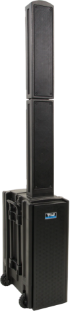
With three 8-inch woofers, up to 123 dB output, and more than seven hours of battery life, Beacon 3 is a strong option for larger presentations, school assemblies, and indoor gatherings.
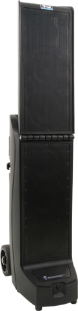
Bigfoot 3
For applications that demand greater sound output, Bigfoot 3 offers a higher-output portable solution for large indoor spaces, gymnasiums, and events with bigger audiences.
Each system offers different capabilities, so the best choice ultimately depends on your organization's specific requirements.
Make Your Next Audio Investment Count
Choosing the right portable PA system starts with understanding how and where you'll use it.
From room size and audience capacity to microphone options, connectivity, battery life, and portability, each consideration plays a role in finding a system that meets your needs.
For organizations that regularly host activities across multiple spaces, portable audio offers a flexible way to bring reliable sound wherever it's needed.
Whether you're equipping a school, supporting a business, coordinating community events, or hosting indoor gatherings, the right portable PA system can help you stay prepared for whatever comes next.
Explore Anchor Audio's portable PA systems to find the right sound solution for your space and application.